
Send Message
Privacy statement: Your privacy is very important to Us. Our company promises not to disclose your personal information to any external company with out your explicit permission.
Select Language

As global environmental regulations tighten, particularly targeting traditional electroplating and its hazardous byproducts, a significant industrial shift is underway. In this new landscape, Physical Vapor Deposition (PVD) technology is rapidly emerging as the dominant, green alternative for stainless steel surface treatment, driven by compliance needs and superior performance.
The Regulatory Catalyst and the PVD Advantage
The move away from conventional chrome plating is not merely a trend but a compliance imperative. Industries face stringent global standards like RoHS and REACH, alongside "dual-carbon" policy goals, placing high-pollution processes under severe pressure. Electroplating, reliant on toxic chemicals and heavy metals, generates hazardous wastewater and faces rising compliance costs and operational risks. In contrast, PVD is a dry, vacuum-based process that eliminates the need for harmful electrolytes and cyanides, dramatically reducing hazardous waste and aligning with sustainable manufacturing goals.
Performance and Versatility: Beyond Green Compliance
PVD's ascendancy is not solely due to its eco-credentials. The technology deposits thin, exceptionally hard, and dense coatings that offer outstanding corrosion and wear resistance. For stainless steel, this means enhanced durability for applications from automotive trim to architectural hardware and marine components, often outperforming traditional finishes in salt spray and abrasion tests.
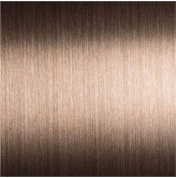
A key driver of its mainstream adoption is its design flexibility. PVD allows for precise control over coating color and composition, enabling a wide range of finishes from classic gold and rose gold to modern black titanium, all with excellent consistency. This meets the growing market demand for both aesthetic customization and functional longevity.
Technological Evolution and Industry Adoption
The scalability of PVD for high-volume manufacturing is now proven. Advanced Coating Equipment, such as the GD Large Multiarc Ion Sputtering Machine or the modular TG Multiarc Ion Sputtering Machine, are designed for mass production. These systems feature high plasma ionization rates (exceeding 80%), ensuring uniform, high-quality coatings even on complex three-dimensional components. The integrated PVD Multiarc Ion Sputtering Coating Machine represents the technological pinnacle, combining multiple deposition methods for optimal efficiency and coating performance. Major sectors are taking note: over 60% of mainstream automotive brands now use PVD for components in their high-end or新能源 vehicle lines.
In conclusion, the shift to PVD for stainless steel is a definitive industrial evolution. It is a direct response to the powerful combination of regulatory pressure, consumer demand for sustainable products, and the need for advanced, high-performance materials. As coating equipment becomes more advanced and efficient, PVD is solidifying its position not as a niche alternative, but as the new standard for responsible and innovative surface engineering.


Let's get in touch.
About Us
Related Products List
Contact Us

Send Inquiry
Privacy statement: Your privacy is very important to Us. Our company promises not to disclose your personal information to any external company with out your explicit permission.
Fill in more information so that we can get in touch with you faster
Privacy statement: Your privacy is very important to Us. Our company promises not to disclose your personal information to any external company with out your explicit permission.